
April 28, 2026
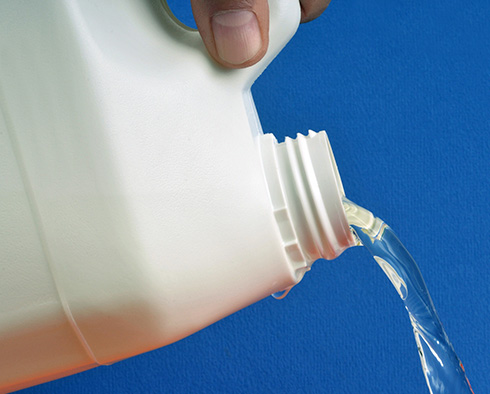
For many people, bleach is a go-to product for all types of cleaning. Bleach can be an effective way to clean and disinfect but can also damage grout.

For many people, bleach is a go-to product for all types of cleaning. Bleach can be an effective way to clean and disinfect but can also damage grout.
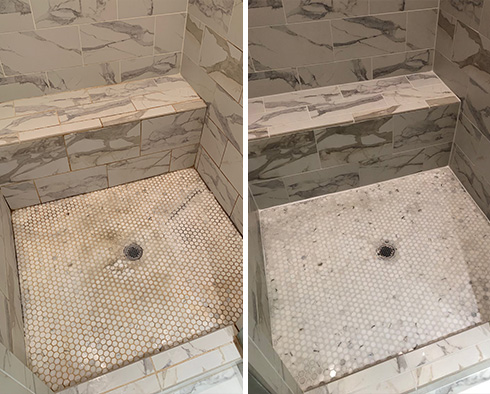
One of our recent clients in Durham, NC, grew increasingly frustrated as she struggled to restore her shower.
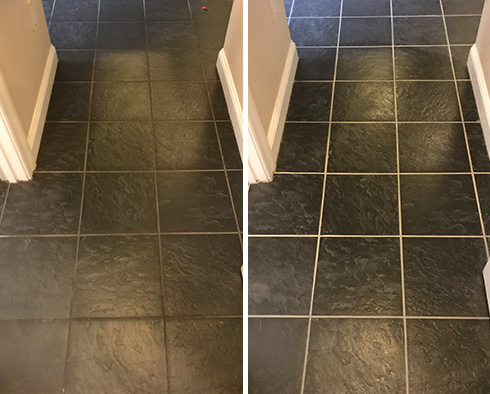
A resident in Burlington, NC, needed our assistance to restore her bathroom floor. Despite her efforts, the grout lines remained dull.
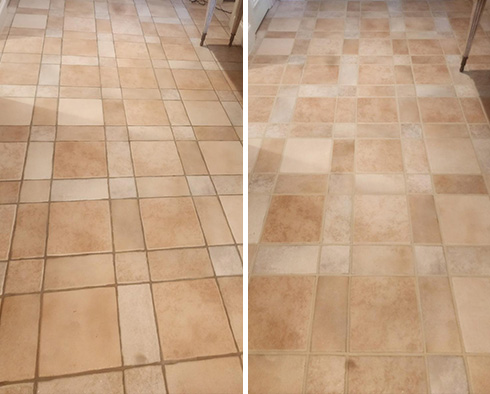
A homeowner in Greensboro, NC, contacted us to restore her floors. The surfaces had worn down, and the grout lines had turned dark and unappealing.
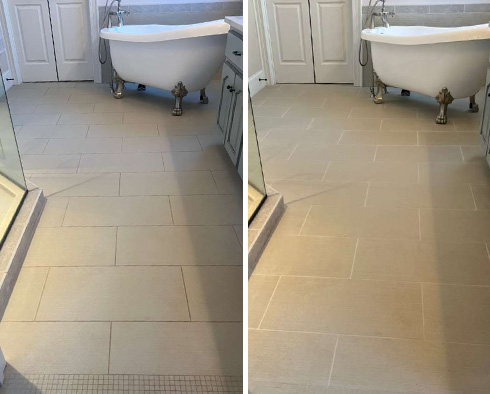
A homeowner in Chapel Hill, NC, needed our assistance to restore her bathroom floor. The surface had worn out, and the grout lines looked dark.

Moving into a newly built home is a rewarding experience. The thing is, some homebuilders don't seal your tile, grout, or stone surfaces.
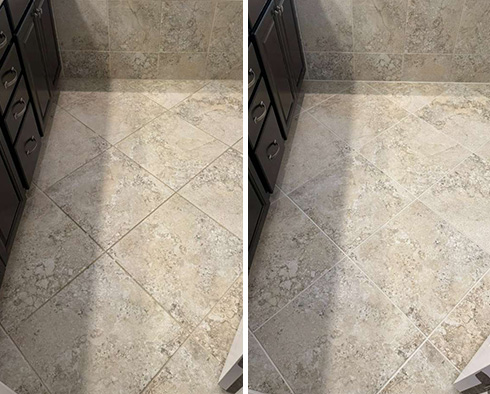
A resident in Durham, NC, wanted to revamp her shower and bathroom surfaces. She tried regular cleaning and other DIY methods, but nothing worked.
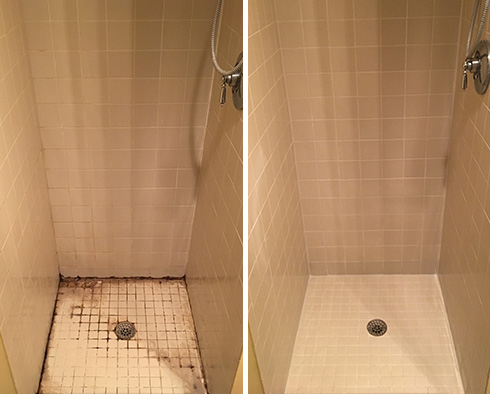
A resident in Hillsborough, NC, faced a challenge as she tried to revamp her shower. She used DIY methods, but the tiles and grout stayed grimy.
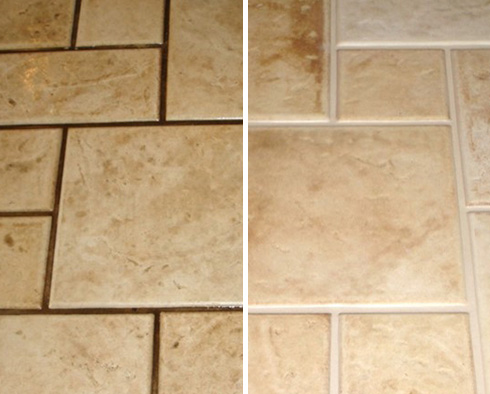
Like any material, heavy traffic, improper cleaning methods or products, can cause your ceramic tiles to look lifeless or even degrade them over time.
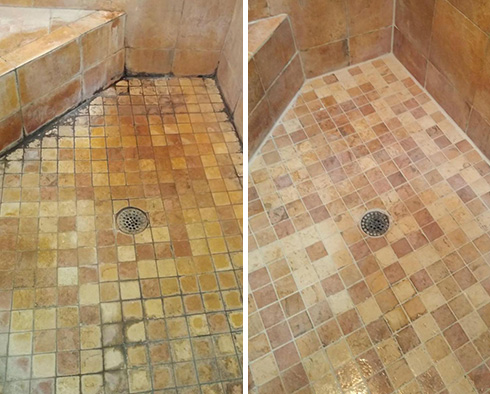
The grout and surface of the tiles in your bathroom or shower can turn white to yellow (even orange) for many reasons. We'll explain why.
Book a complimentary consultation to discover all the ways our craftsmen can help you revive, revitalize, and restore the places you live most in your home.

For your convenience, below shows the various counties and cities where we provide service:
Alamance, North Carolina
Chatham, North Carolina
Durham, North Carolina
Guilford, North Carolina
Orange, North Carolina